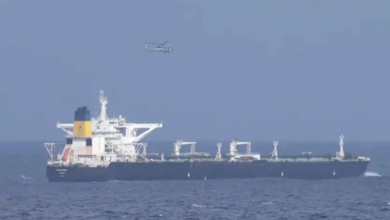
In addition to oil, Venezuela has vast gold and mineral reserves.
In addition to oil, Venezuela has vast gold and mineral reserves.

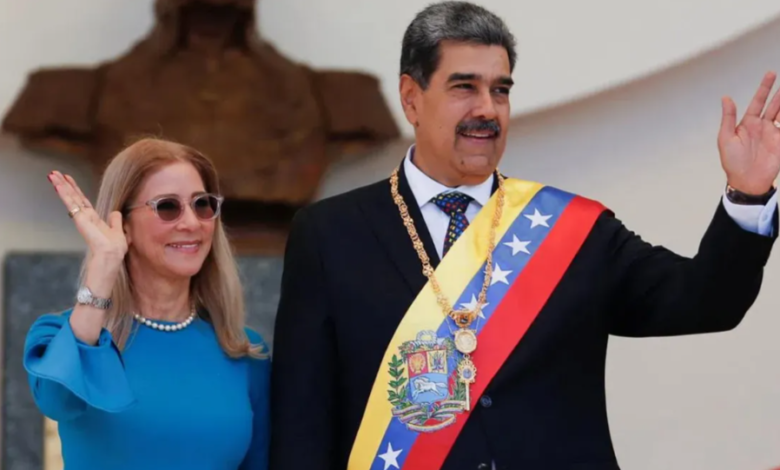
Venezuela has long been known as the country with the world’s largest proven oil reserves. However, the country’s economic importance is not limited to oil alone. Venezuela has a large amount of gold, gas, iron, coal, nickel, bauxite and diamonds, as well as various strategic mineral resources, which have made the country’s position in international politics more sensitive.
After the arrest of Nicolas Maduro, the administration of US President Donald Trump has made public its plan to restructure Venezuela’s oil sector as well as reactivate the country’s mineral sector. The White House is saying that the goal is not only to increase oil production, but also to connect long-untapped mineral resources to the global market.
US Commerce Secretary Howard Lutnick said in this regard that the Trump administration wants to work to restore and modernize Venezuela’s vast reserves of important minerals, including steel, which have been neglected for years. According to him, if these resources are properly utilized, major changes can occur in the country’s economy.
Venezuela is at the top of the world in terms of oil resources. As of 2023, the country had about 303 billion barrels of proven oil reserves, about five times more than the United States. Much of this oil is located in the Orinoco Valley and is “ultra-heavy,” making extraction and refining relatively expensive. Yet, despite international sanctions and political tensions, China has been Venezuela’s main oil buyer over the past decade. By the end of 2024, about 81.7 percent of the country’s total oil exports went to China, while the United States’ share was about 15.8 percent.
Venezuela also has a strong position in natural gas. The country ranks ninth in the world in proven gas reserves and holds about 73 percent of South America’s total gas reserves. Analysts believe that these gas resources could play an important role in regional energy security in the future.
Venezuela also ranks first in Latin America in gold. The country’s central bank currently holds about 161 tons of gold. In addition, the Orinoco Mining Arc region is said to have a large amount of untapped gold reserves. A 2018 mineral report estimated that Venezuela has at least 644 tons of gold reserves, but government sources claim that the actual amount may be higher.
In addition to gold and gas, Venezuela has about 3 billion tons of coal and an estimated 14.68 billion tons of iron ore. Large reserves of nickel and bauxite, which are important for the industrial sector, are also spread across different regions of the country, which could create opportunities for heavy industrial development in the long term.
Venezuela is also a rich country in diamond production. Mineral experts have mentioned the possibility of about 1,295 million carats of diamonds in various mines. However, due to infrastructure limitations, illegal mining and political instability, a large part of these resources have not yet been fully utilized.
According to analysts, these vast natural resources of Venezuela have brought the country to the center of strategic interest of international powers. The United States’ recent actions and plans are therefore being seen not only in the context of political change, but also as part of a long-term geopolitical calculation surrounding oil and mineral resources.